
Timing is key for effective snow removal. Discover when to schedule snow clearing for commercial and residential properties to stay safe, accessible, and winter-ready.
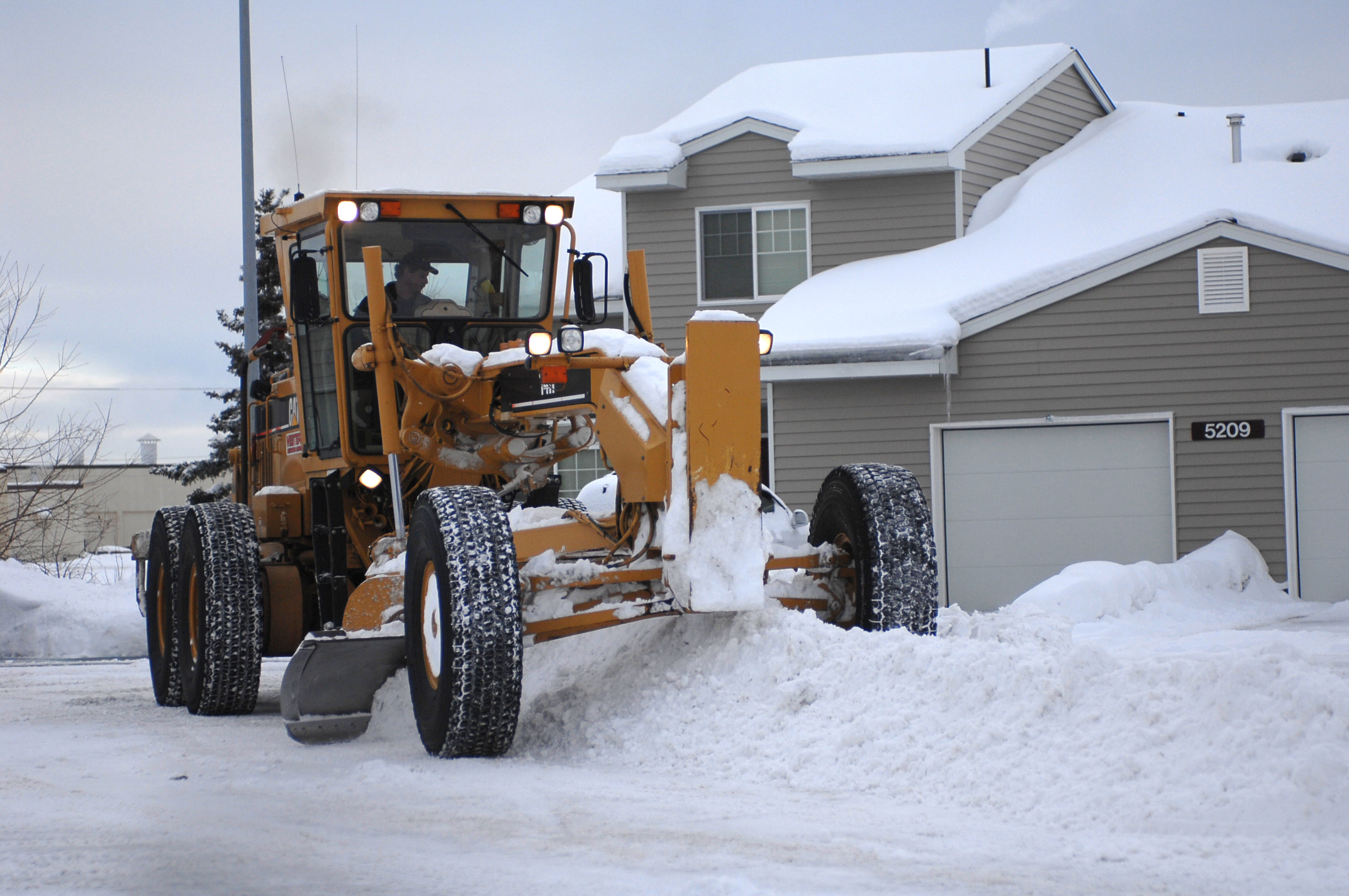
When to Schedule Snow Removal for Commercial and Residential Properties
Winter weather can change fast—and waiting too long to clear snow can lead to unsafe conditions, property damage, and liability issues. Knowing when to schedule snow removal is just as important as choosing the right provider.
Whether you manage a commercial property or own a home, proactive snow removal keeps surfaces safe, accessible, and protected throughout the season.
Book Reliable Snow Removal Services
Why Timing Matters for Snow Removal
Snow that sits too long compacts into ice, becomes harder to remove, and increases slip-and-fall risk. Delayed service can also damage pavement, landscaping, and drainage areas.
Scheduling snow removal at the right time helps:
- Prevent ice buildup
- Maintain safe access points
- Reduce long-term surface damage
- Avoid emergency cleanups
Early action always costs less than reactive fixes.
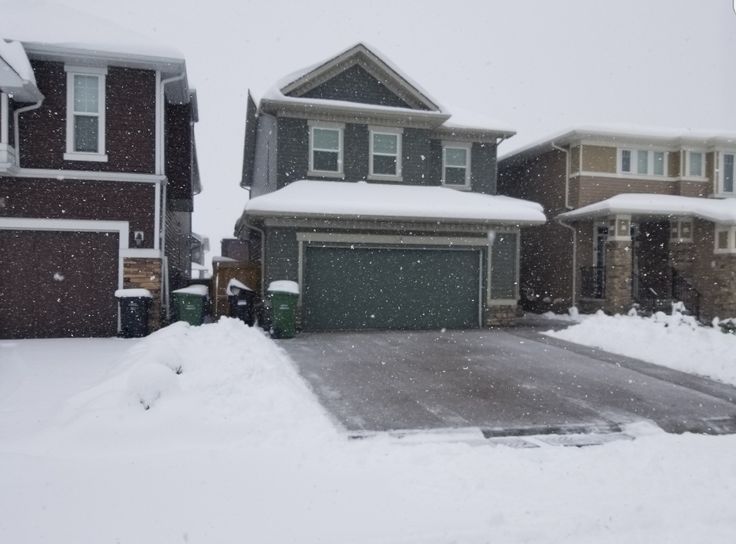
When to Schedule Snow Removal for Commercial Properties
Commercial properties require consistent and timely snow management to protect employees, customers, and tenants.
Snow removal should be scheduled:
- Before business hours to ensure safe access
- During active snowfall for large parking lots
- Immediately after storms to stay compliant
- Before refreezing occurs in the evening
High-traffic areas like entrances, sidewalks, and loading zones should always be cleared first.
When to Schedule Snow Removal for Residential Properties
For homeowners, timing is about safety, convenience, and protecting your driveway and walkways.
Residential snow removal is best scheduled:
- Once snowfall reaches 1–2 inches
- Early morning for work and school access
- After plows pass to clear driveway ends
- Before temperatures drop and snow turns to ice
Routine service keeps your home accessible without the hassle of shoveling.
Pre-Storm vs Post-Storm Snow Removal
Professional snow services often monitor storms and plan ahead.
Pre-storm preparation may include:
- Anti-icing applications
- Clearing drainage areas
Post-storm service focuses on:
- Full snow clearing
- Ice control and refreeze prevention
- Final clean-up for safe use
A combination of both offers the best protection.
.jpg)
Avoid Last-Minute Emergency Calls
Waiting until conditions are unsafe often leads to delays and higher costs. Scheduled snow removal ensures your property is prioritized during heavy storms.
Benefits include:
- Faster response times
- Consistent service during major events
- Reduced liability exposure
- Peace of mind all winter
Professional Snow Plans for Every Property
We offer flexible snow removal plans for:
- Commercial parking lots and facilities
- Residential driveways and walkways
- Sidewalks, entrances, and access points
- Ice management and de-icing
Each plan is customized based on property size, traffic, and local conditions.
Stay Ahead of Winter Weather
The best time to schedule snow removal is before the first storm hits. A reliable snow plan keeps your property safe, accessible, and protected no matter how harsh the winter gets.
Contact us today to schedule professional snow removal for your commercial or residential property.
How do I know the right time to schedule snow removal for my property?